If your cat is drinking a lot of water lately, you’re not alone — and you’re right to pay attention. As a cat owner, you probably know your pet’s habits better than anyone, so when you notice your cat visiting the water bowl more often than usual, it’s natural to wonder: is something wrong?
The short answer is — it depends. While some cats simply prefer more water, excessive thirst in cats (called polydipsia) can sometimes signal an underlying health condition that needs attention.
In this guide, we’ll walk you through everything you need to know about cats drinking a lot of water — from normal hydration levels to serious warning signs.
How Much Water Should a Cat Drink Per Day?
Before we dive into causes, it helps to know what “normal” looks like.
A healthy cat typically drinks 60–80ml of water per kilogram of body weight per day. So a 4kg cat should drink roughly 240–320ml daily — about one to one and a half cups.
Keep in mind that cats who eat wet food get most of their hydration from their meals and may drink very little from their bowl. Cats on dry food diets naturally need to drink more.
If you notice your cat drinking significantly more than usual — especially if the change happened suddenly — that’s worth paying attention to.
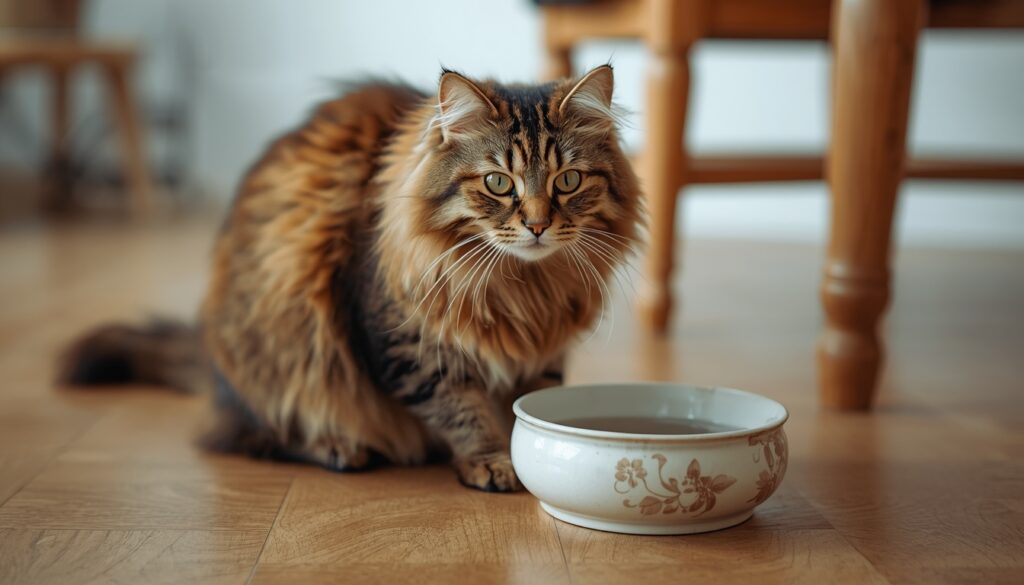
8 Common Reasons Why Your Cat is Drinking a Lot of Water
1. Diabetes Mellitus
Diabetes is one of the most common causes of excessive thirst in cats, particularly in middle-aged and senior cats and those who are overweight. When a cat has diabetes, their body can’t properly regulate blood sugar. As a result, the kidneys work overtime to flush out excess glucose — and this process pulls a lot of water with it, leaving your cat constantly thirsty. Learn more about feline diabetes symptoms and how they affect your cat’s water intake.
When a cat has diabetes, their body can’t properly regulate blood sugar. As a result, the kidneys work overtime to flush out excess glucose — and this process pulls a lot of water with it, leaving your cat constantly thirsty.
Other signs to watch for: increased urination, weight loss despite a good appetite, lethargy, and a dull coat.
2. Chronic Kidney Disease (CKD)
Kidney disease is extremely common in older cats — studies suggest that up to 30% of cats over 15 are affected. Healthy kidneys concentrate urine efficiently. When kidneys are damaged, they lose this ability and produce large amounts of dilute urine — which means your cat needs to drink more just to stay hydrated. Chronic kidney disease in cats is one of the most significant health problems in senior cats, with increased thirst being one of its earliest signs.
Healthy kidneys concentrate urine efficiently. When kidneys are damaged, they lose this ability and produce large amounts of dilute urine — which means your cat needs to drink more just to stay hydrated.
Other signs to watch for: weight loss, poor appetite, vomiting, bad breath with an ammonia-like smell.
If your cat is a senior and drinking more than usual, kidney disease should be ruled out early. A simple blood and urine test at the vet can check kidney function.
3. Hyperthyroidism
An overactive thyroid gland speeds up your cat’s metabolism — including how quickly they process fluids. This leads to increased thirst and urination. Hyperthyroidism in cats is most common in cats over 10 years old and is the most common hormonal disorder in senior cats.
Hyperthyroidism is most common in cats over 10 years old and is actually the most common hormonal disorder in senior cats.
Other signs to watch for: weight loss despite increased appetite, hyperactivity, vomiting, diarrhea, and a scruffy coat.
4. Urinary Tract Infection (UTI)
While UTIs are more common in dogs, cats can get them too — especially older females and cats with underlying health issues.
Inflammation in the urinary tract can cause increased frequency of urination, which in turn leads to more water intake to compensate.
Other signs to watch for: straining to urinate, blood in urine, frequent trips to the litter box, crying when urinating.
5. Liver Disease
The liver plays a crucial role in regulating many body functions, including fluid balance. When the liver isn’t working properly, it can disrupt normal hydration levels and lead to increased thirst.
Other signs to watch for: jaundice (yellowing of eyes or gums), vomiting, loss of appetite, swollen abdomen.
6. Pyometra (in unspayed females)
Pyometra is a serious uterine infection that can occur in unspayed female cats. It causes toxins to build up in the body, which puts stress on the kidneys and leads to excessive thirst and urination.
This is a medical emergency. If your unspayed female cat is drinking a lot and seems unwell, see a vet immediately.
7. Diet and Dry Food
Sometimes the cause is much simpler. If your cat has recently switched from wet food to dry food, they’ll naturally need to drink more water — dry kibble contains only about 10% moisture, compared to 70–80% in wet food.
This is perfectly normal and not a cause for concern.
8. Hot Weather or Increased Activity
Just like us, cats drink more when they’re hot or have been very active. If you’ve had a recent heatwave or your cat has been unusually playful, a temporary increase in water intake is completely normal.
When Should You See a Vet?
Not every cat that drinks more water needs an urgent vet visit — but some situations do require prompt attention.
See a vet soon if your cat:
- Has been drinking noticeably more for more than a few days
- Is also losing weight, vomiting, or seems lethargic
- Is urinating much more than usual or having accidents outside the litter box
- Is an older cat (8+ years)
- Has stopped eating or is drinking water but not eating
Go to an emergency vet immediately if your cat:
- Can’t urinate at all (especially male cats — this is life-threatening)
- Is unspayed and showing signs of illness
- Is collapsed or unresponsive
How to Monitor Your Cat’s Water Intake at Home
Tracking how much your cat drinks doesn’t have to be complicated. Here are some simple tips:
Use a measuring jug. Fill your cat’s bowl with a measured amount of water each morning and check how much is left at the end of the day.
Switch to a pet water fountain. Many cats prefer running water and will drink more consistently. A fountain also makes it easier to notice changes in drinking habits.
Keep a simple log. Note any changes in drinking, eating, urination, or behaviour. This information is incredibly helpful for your vet.
How to Keep Your Cat Hydrated and Healthy
Whether or not your cat has a health issue, good hydration is essential for their overall wellbeing. Here’s how to support it:
Add wet food to their diet. Even mixing a small amount of wet food with dry kibble significantly increases your cat’s daily moisture intake.
Place water bowls in multiple locations. Some cats won’t drink near their food bowl — try different spots around the house.
Try a cat water fountain. Cats are instinctively attracted to moving water. A good fountain can encourage even the fussiest drinkers to stay hydrated.
Use wide, shallow bowls. Cats have sensitive whiskers and many dislike deep bowls that touch their whiskers when drinking.
Change the water daily. Fresh water is always more appealing than water that’s been sitting out.
Final Thoughts
A cat drinking a lot of water isn’t always a crisis — but it’s always worth paying attention to. Changes in your cat’s thirst levels are one of the earliest signs that something may be off, and catching issues early almost always leads to better outcomes.
If you’ve noticed a change and you’re not sure what’s causing it, the safest step is always a visit to your vet. A quick check-up and some basic tests can give you a clear picture of your cat’s health — and peace of mind.
Looking for more cat health guides? Explore our Cats section for expert advice on keeping your feline friend happy and healthy at every age.